


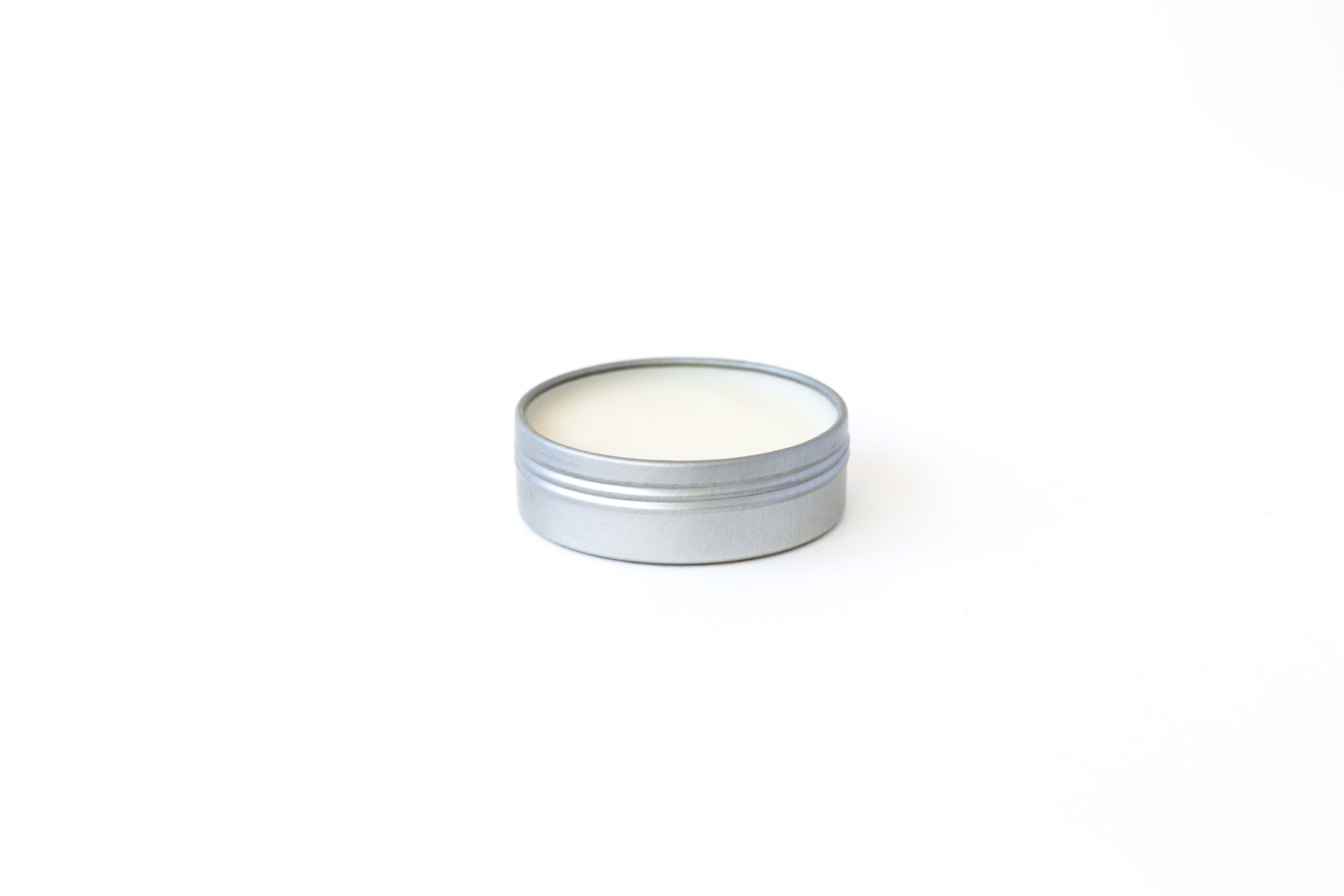
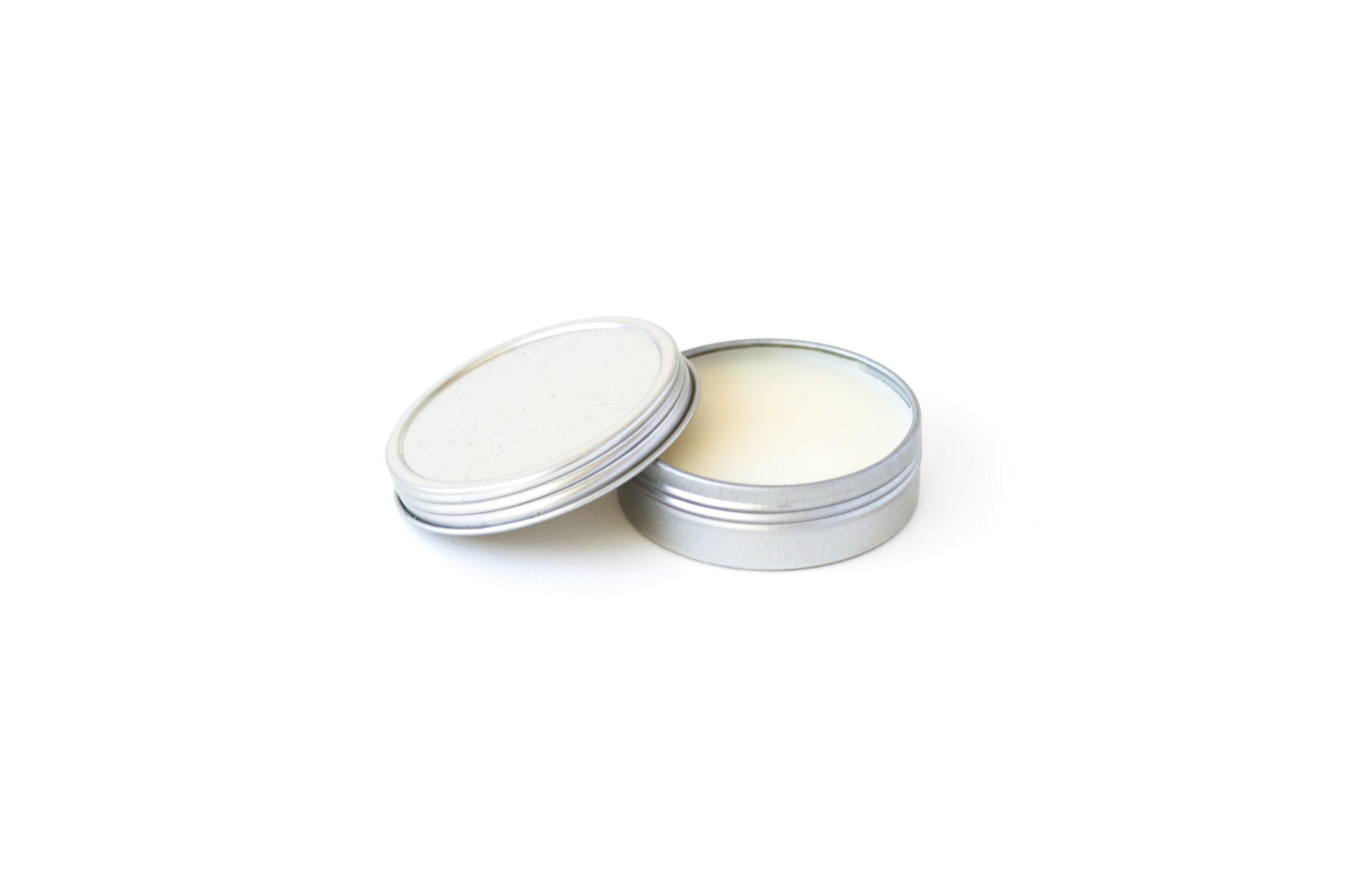
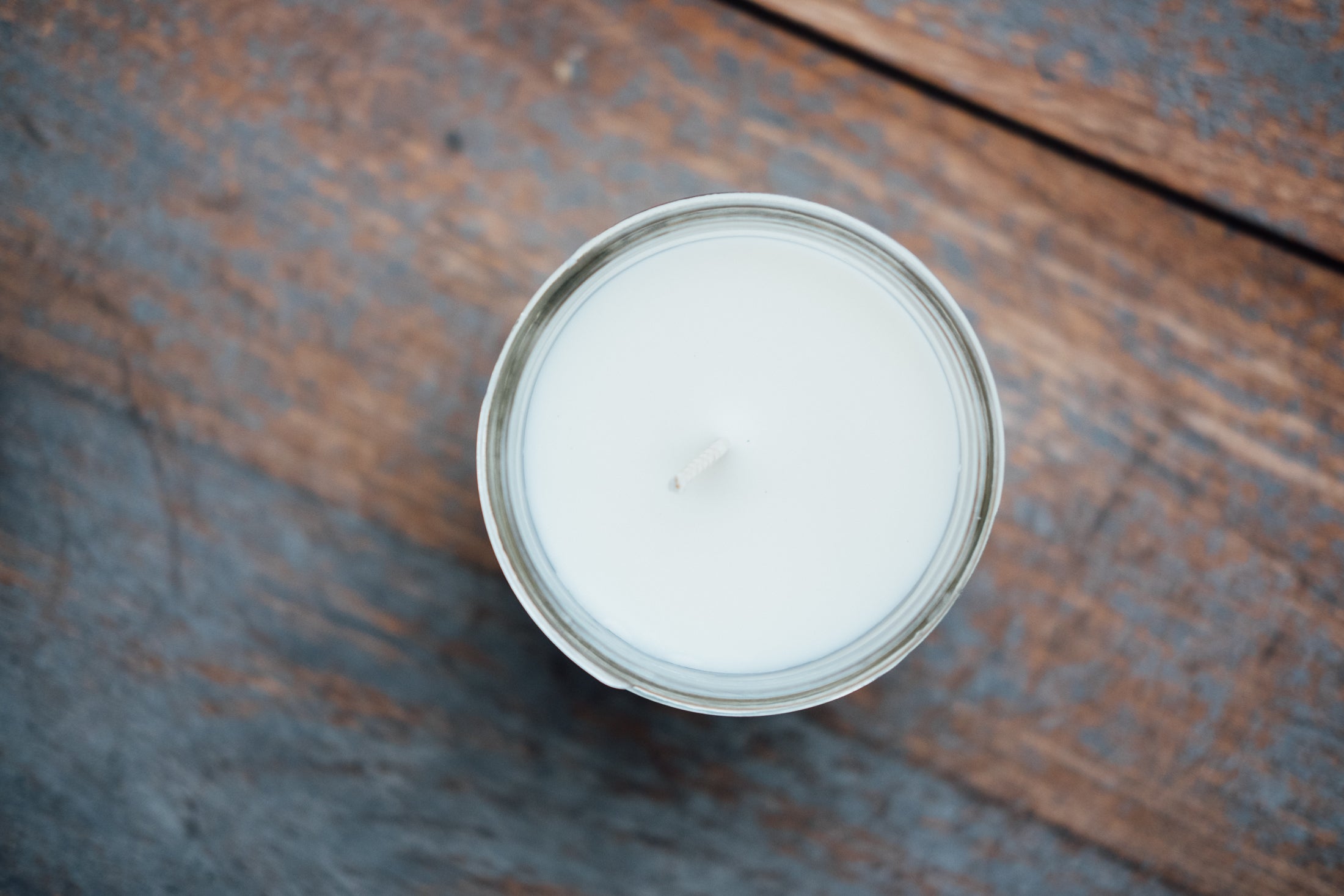
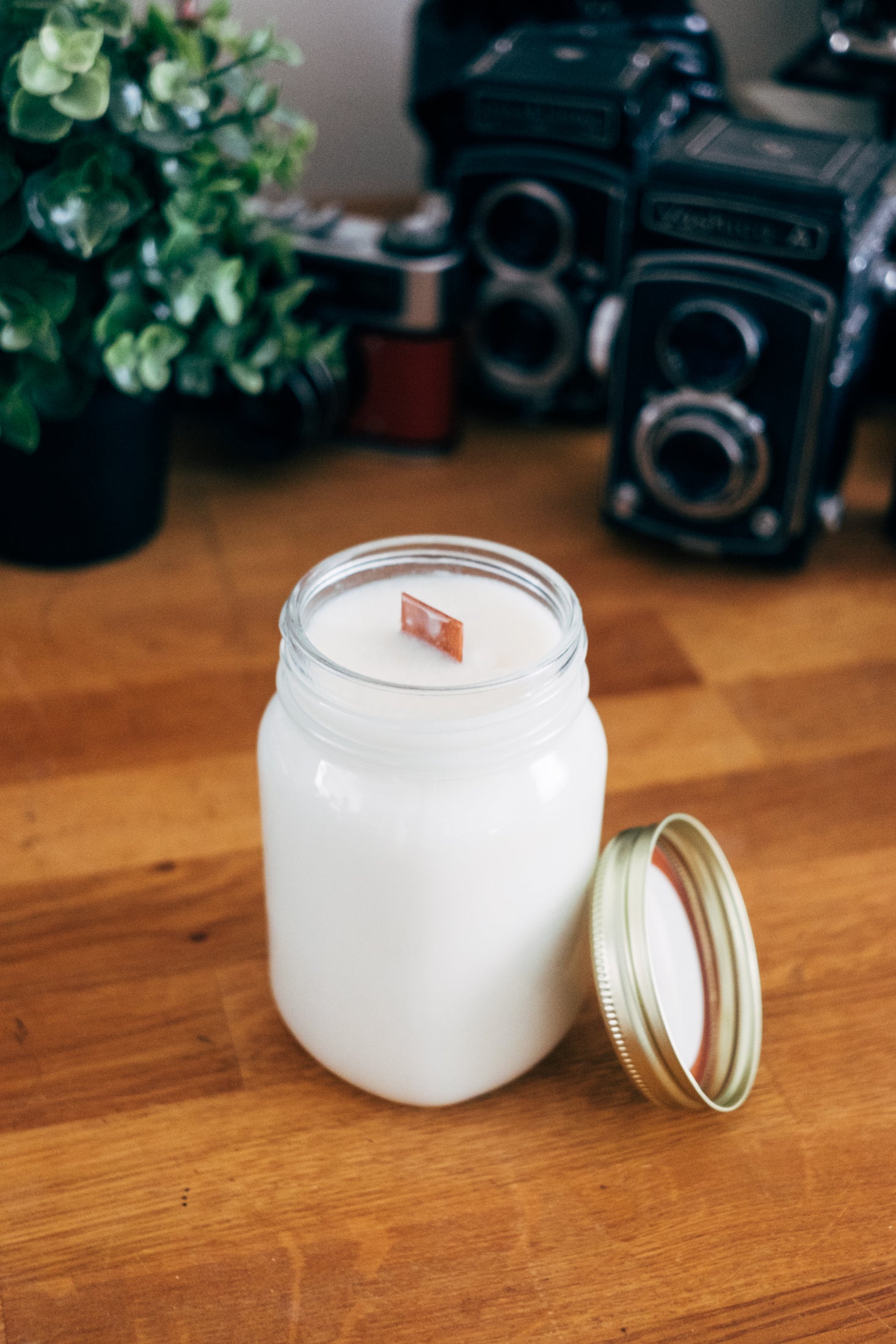
Paraffin wax is a colorless to white solid substance obtained from the distillation of crude oil. Due to its special physical and chemical properties, this substance is used in various industries, including candle making, paper making, cosmetics, and even pharmaceuticals. Below are more complete explanations about paraffin wax:
Features and characteristics of paraffin wax
Solid state and white color: Paraffin wax is solid and usually white or colorless.
Variable melting point: Depending on the type and purity, the melting point of paraffin wax is usually between 46 and 68 degrees Celsius.
Odorless and tasteless: these features make paraffin wax suitable for use in the cosmetic and food industries.
High flash point: about 199°C which makes it safer to use.
Non-toxic: Pure paraffin wax is non-toxic and widely used in various products.
Chemical stability: It does not oxidize easily and is resistant to many chemicals.
Water repellency: Due to its waterproof property, it is useful in many industrial applications.
Applications of paraffin wax
Candle making industries:
Decorative and functional candles: Paraffin wax is the main ingredient in the production of all kinds of candles, due to its suitable melting point and high stability.
Scented candles: It is used as a base for adding different fragrances and producing scented candles.
Cosmetic industry:
Creams and lotions: It is used as a moisturizing and softening agent in the production of skin care products.
Lip balm and hair wax: It is used in the production of lip balm and hair wax.
Paper industry:
Waterproof papers: used in coating papers to create waterproof properties.
Paraffin papers: used for packaging food and pharmaceutical products.
Food industry:
Coating: Used as a protective coating for cheeses, fruits and vegetables to increase shelf life.
Food lubricant: It is used as a lubricant in some food production and packaging processes.
Pharmaceutical industries:
Molding of medicines: It is used as a molding material in the production of some types of medicines and supplements.
Textile industry:
Fabric finishing: Used as a finishing material to improve the properties of fabrics, such as waterproofing them.
Wood and furniture industries:
Wood polish and wax: used to protect and polish wooden products.
Wood protection: It is used as a protective layer against moisture and environmental pollution.
advantages and disadvantages
Advantages:
High stability and durability: it maintains its properties in different environmental conditions.
Non-toxic and safe: suitable for use in food and health industries.
Suitable melting and ignition point: It is useful for use in the production of candles and other products.
Waterproof property: It is useful as a moisture barrier.
Reasonable price: its production and processing is relatively cheap.
Disadvantages:
Remaining deposits: After burning, it may leave deposits that need to be cleaned.
Low absorbability: Not well absorbed by the skin, so may not be suitable in skin care products.
Effect on the environment: its natural decomposition takes place slowly, which can lead to environmental pollution.
Safety and storage tips
Storage: Paraffin wax should be stored in completely closed containers in a dry and cool environment.
Precautions: Avoid contact with eyes and swallowing. In case of skin sensitivity or irritation, stop using and consult a doctor.
Away from flame and heat sources: Due to its petroleum nature, this material is flammable and should be kept away from flame and heat sources.
conclusion
Because of its unique physical and chemical properties, paraffin wax is a very useful and widely used material in various industries. Its use in the production of candles, cosmetic products, papermaking, and food coating is only part of its wide range of applications. However, for safe and effective use of this substance, special attention should be paid to safety and storage points.